
indian food
Bold Spices, Timeless Traditions: A Modern Journey Through Indian Food.
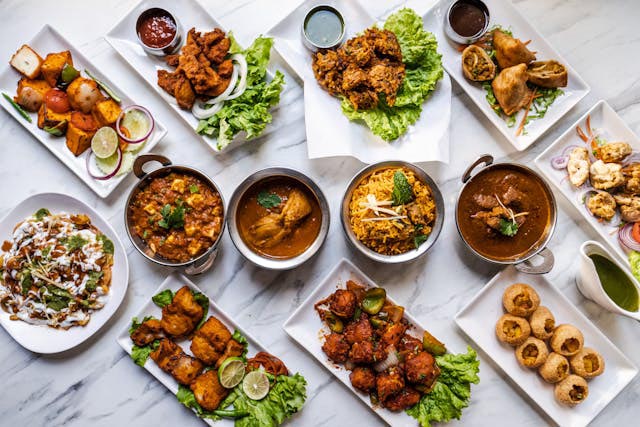
From Our Kitchen to Yours: Honest, Flavorful, and Traditional India.
Indian food is a vibrant symphony of flavors that serves as a gastronomic reflection of the country’s diverse culture. Far more than just “curry,” Indian cuisine is a complex interplay of chemistry and tradition, where the magic lies in the artful blending of spices. From the rich, buttery gravies of the North to the fiery, coconut-infused dishes of the South, every region offers a distinct culinary identity.
The defining characteristic of Indian taste is the philosophy of balance. A traditional meal often seeks to encompass a variety of flavor profiles—spicy, sour, sweet, salty, bitter, and astringent—creating a holistic sensory experience. The use of aromatic ingredients like cardamom, turmeric, cumin, and coriander provides a depth that excites the palate without necessarily overwhelming it with heat.
Texture also plays a crucial role, from the smoky char of tandoori meats to the crispiness of a dosa and the fluffiness of naan. Whether it is the tangy explosion of street-side chaat or the comforting warmth of home-cooked dal, Indian food is prepared with an intensity and passion that leaves a lasting impression, making it one of the most beloved cuisines globally.
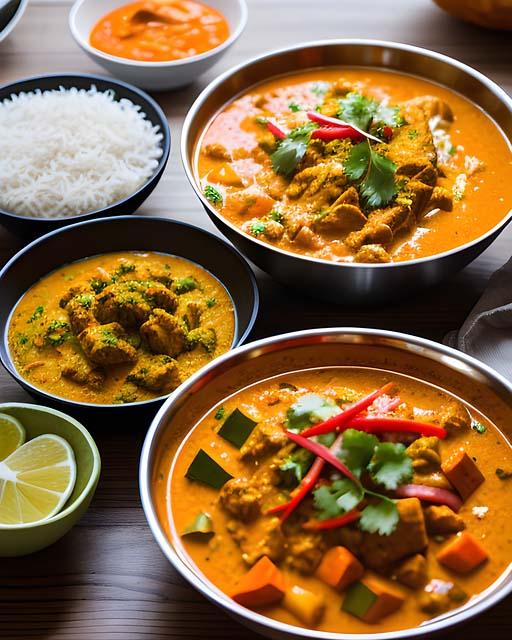
North Indian Food
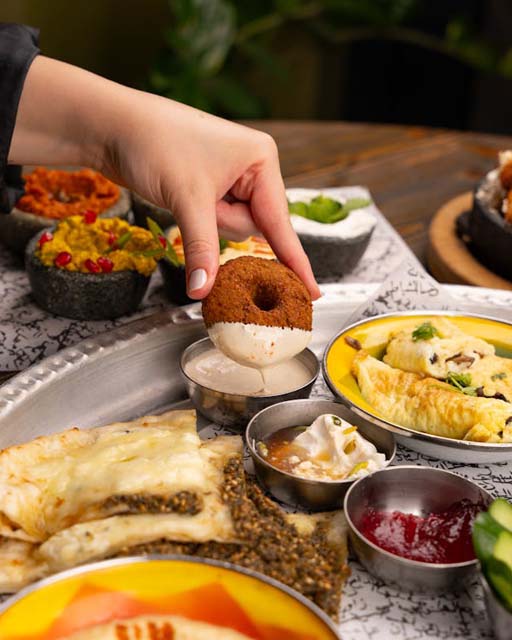
South Indian Food
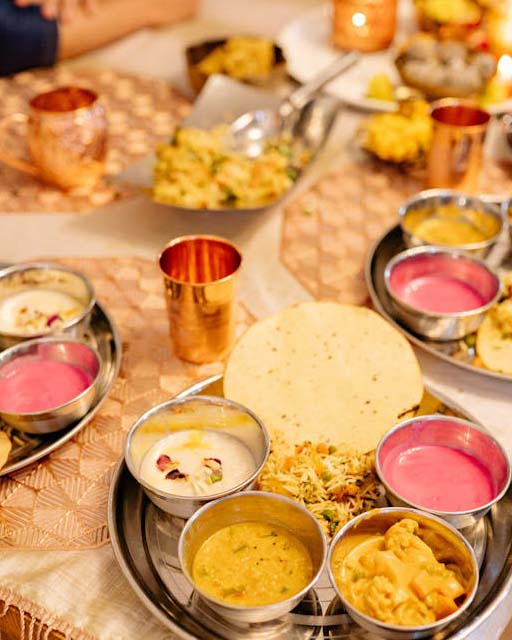
East Indian Food
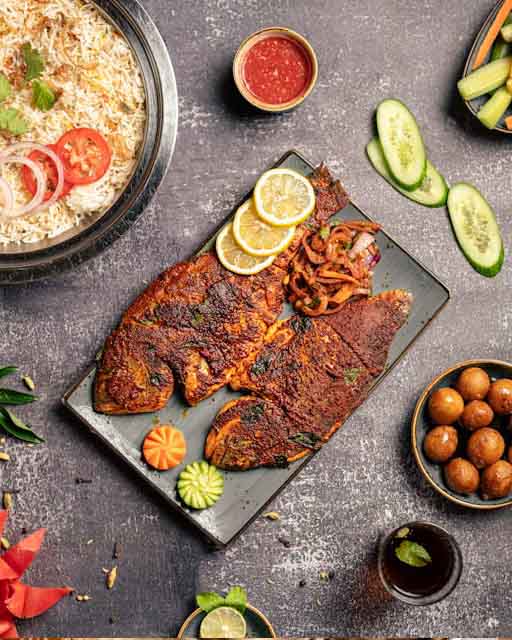
West Indian Food
Indian Food: A Culinary Journey Through History, Regions, and Global Fame
Indian cuisine is not just a collection of recipes; it is a 5,000-year-old tapestry woven with history, culture, religion, and trade.
From the smoky aromas of North Indian tandoors to the tangy, coconut-infused curries of the South, Indian food offers a sensory experience unlike any other. Below, we explore the fascinating world of Indian cuisine in a comprehensive Question-and-Answer format.
Q1: What is the history of Indian food and how did it evolve?
The history of Indian food is as diverse as its geography, shaped by thousands of years of interactions with different cultures.
Ancient Roots (The Indus Valley Civilization): The story begins around 7000 BCE with the Indus Valley Civilization. Archaeological evidence suggests that early Indians cultivated rice, wheat, and pulses.
This era laid the foundation for the “staple diet” concept—grains paired with lentils—that persists today. The ancient medical system of Ayurveda also played a crucial role, categorizing food into Satvic (pure), Rajasic (stimulating), and Tamasic (heavy), which influenced dietary habits and the heavy use of medicinal spices like turmeric, ginger, and cumin.
The Invasion Era and Foreign Influences: Indian cuisine is a masterclass in assimilation.
- The Aryans (c. 1500 BCE): They are believed to have introduced a heavy reliance on dairy products, giving rise to the use of ghee, yogurt, and paneer, which are central to many spiritual and culinary practices today.
- The Persians and Mughals (12th–16th Century): This was perhaps the most transformative period for North Indian food. The Mughals brought Persian techniques like slow-cooking (Dum Pukht) and introduced ingredients like saffron, dried fruits (apricots, raisins), nuts (cashews, almonds), and heavy cream. This fusion created Mughlai cuisine, famous for dishes like Biryani, Korma, and Kebabs.
- The Portuguese (16th Century): It is impossible to imagine Indian food without chilies, potatoes, and tomatoes. Yet, none of these were native to India. The Portuguese brought them from the Americas to their colony in Goa. They also introduced vinegar, leading to the creation of the famous Vindaloo.
- The British Raj: The British introduced tea (chai) cultivation on an industrial scale, forever changing India’s beverage culture. They also influenced the creation of “Anglo-Indian” dishes like Railway Mutton Curry and soups like Mulligatawny.
Post-Independence Evolution: Since 1947, urbanization and globalization have led to a fusion of regional styles. Today, Indian food is constantly evolving, with “Indo-Chinese” (a distinct Hakka-style adaptation) and modern molecular gastronomy finding their place alongside traditional clay-pot cooking.
Q2: How many types of Indian food are there?
It is nearly impossible to put a single number on the “types” of Indian food because the variety is infinite. However, broadly speaking, Indian cuisine can be categorized into four main regional types, each with its own distinct profile, ingredients, and cooking oils.
1. North Indian Cuisine
- States: Punjab, Kashmir, Delhi, Uttar Pradesh, Rajasthan.
- Characteristics: This is the most famous version of Indian food globally. It is characterized by rich, creamy gravies, the use of dairy (yogurt, paneer, ghee), and wheat-based breads like Naan, Roti, and Paratha.
- Key Spices: Garam Masala, saffron, cumin.
- Famous Dishes: Butter Chicken, Rogan Josh (a Kashmiri lamb dish), Dal Makhani, Tandoori Chicken, and Chole Bhature.
2. South Indian Cuisine
- States: Tamil Nadu, Kerala, Karnataka, Andhra Pradesh, Telangana.
- Characteristics: Distinctly different from the North, the South relies heavily on rice as the staple grain.
The cuisine is defined by the generous use of coconut (milk, oil, and grated), tamarind for sourness, and curry leaves. - Key Spices: Mustard seeds, black pepper, red chilies, fenugreek.
- Famous Dishes: Masala Dosa (fermented rice crepe), Idli (steamed rice cake), Sambar (lentil and vegetable stew), Hyderabadi Biryani, and Chettinad Chicken (one of the spiciest curries in India).
3. East Indian Cuisine
- States: West Bengal, Odisha, Bihar, Assam, and the Seven Sisters states.
- Characteristics: Known for its subtle flavors and heavy reliance on fish and rice.
Sweets from this region are legendary. The cuisine often uses mustard oil, which gives a pungent, wasabi-like kick to the dishes. Panch Phoron (a five-spice mix) is a signature seasoning. - Key Spices: Mustard seeds, nigella seeds, poppy seeds.
- Famous Dishes: Machher Jhol (fish curry), Rasgulla (syrupy cheese balls), Mishti Doi (sweet fermented yogurt), and Litti Chokha.
4. West Indian Cuisine
- States: Gujarat, Maharashtra, Goa, Rajasthan.
- Characteristics: This region is a melting pot. Gujarat offers predominantly vegetarian food with a touch of sweetness (sugar or jaggery is added to curries). Maharashtra offers spicy street food and coastal seafood.
Goa offers a unique Portuguese-Indian fusion with pork and vinegar. - Key Spices: Kokum (a sour fruit), sesame seeds, peanuts, red chili paste.
- Famous Dishes: Vada Pav (the Indian burger), Pav Bhaji, Dhokla (steamed gram flour cake), Pork Vindaloo, and Goan Fish Curry.
Q3: How many countries love Indian food and where is it most popular?
Indian food has transcended borders to become a global powerhouse.
While it is enjoyed in almost every nation, there are specific countries where Indian food has been adopted as a part of the local culture.
1. The United Kingdom: It is often said that the “national dish” of Britain is Chicken Tikka Masala, a dish believed to have been invented by Bangladeshi chefs in Glasgow or London to suit British palates. The UK has thousands of “curry houses.” Indian food is so integral to British culture that it outsells fish and chips in many areas. The historical colonial connection introduced spices to the British pantry, and today, cities like London, Birmingham, and Manchester are global hubs for high-end Indian dining.
The United States: The US has seen an explosion in Indian cuisine popularity over the last two decades, driven by a large diaspora in tech hubs like Silicon Valley, New York, and New Jersey. While initially limited to lunch buffets, the US scene is now diverse, ranging from “Indo-Mexican” fusion food trucks to Michelin-starred Indian restaurants in NYC. Americans particularly love Saag Paneer, Garlic Naan, and Tandoori dishes.
3. Canada: With a massive population of Punjabi immigrants, Canada (especially Toronto, Vancouver, and Surrey) offers some of the most authentic North Indian food outside of India. In fact, Canadian politicians have been known to frequent Dhabas (roadside style eateries) that serve rich, buttery dals and flatbreads identical to those found in Amritsar.
4. Australia: Australians have a deep love for bold flavors. Major cities like Melbourne and Sydney are packed with Indian restaurants. The trend here has shifted from standard curries to regional street food favorites like Chaat and Kathi Rolls.
5. The Middle East (UAE, Saudi Arabia, Oman): Due to the proximity to India and the massive expatriate workforce, Indian food is a staple in the Gulf. However, the style here often leans towards the spicy, meat-heavy dishes of Kerala and Hyderabad, catering to the large South Indian workforce. Shawarma stands often sell Karak Chai (strong Indian tea), symbolizing the culinary blend.
6. Southeast Asia (Malaysia and Singapore): Here, Indian food has evolved into a unique local variant known as “Mamak” cuisine. Dishes like Roti Canai and Fish Head Curry are Indian in origin but have been adapted with local Malay influences.
Q4: What are the specialties of Indian food?
The specialty of Indian cuisine lies in its philosophy of flavor layering. Unlike Western cooking, where the protein is the star and sauce is an accompaniment, in Indian cooking, the gravy (masala) is the soul of the dish.
1. The Science of Spices (Masala): Indian chefs do not just throw spices together; they use them in specific sequences to unlock flavors.
- Whole Spices: Cumin, cardamom, cloves, and bay leaves are added to hot oil first. This process, called Tadka or tempering, infuses the oil with essential oils.
- Powdered Spices: Turmeric, coriander powder, and red chili powder are added later to form the body of the sauce.
- Aromatics: Garam Masala (a warming spice blend) is often added at the very end to preserve its fragrance.
2.The Art of the Tandoor: The Tandoor is a cylindrical clay oven heated with charcoal, reaching temperatures up to 900°F (480°C). It is a specialty of North India.
- Specialty Dishes: Naan bread is slapped against the inside walls to bake in seconds, developing a bubbly, charred texture. Meats like Chicken Tikka are skewered and cooked vertically, allowing juices to drip onto the coals, creating a signature smoky flavor.
3. Dum Pukht (Slow Cooking): Originating from the royal kitchens of Awadh (Lucknow), this technique involves sealing food in a heavy-bottomed pot (Handi) with dough and cooking it over a slow fire.
- Specialty: This method is the secret behind the world-famous Biryani, ensuring that the aroma of the rice and meat remains trapped inside the pot until it is broken open at the table.
4. Vegetarian Mastery: India has the largest number of vegetarians in the world. As a result, it specializes in making vegetables the “hero” of the plate. Lentils (Dal) are cooked in hundreds of ways—creamy, spicy, sour, or dry. Cheese (Paneer) is treated with the same respect as meat in other cultures.
Q5: What are the top “Specials” or signature Indian dishes one must try?
If someone is new to Indian cuisine, these “Specials” represent the pinnacle of the culinary culture:
1. Butter Chicken (Murgh Makhani):
- Region: Delhi / Punjab
- Description: Perhaps the most famous Indian dish globally.
It consists of tandoor-cooked chicken simmered in a silky, tomato-based gravy enriched with butter and fresh cream.
It is mild, slightly sweet, and universally loved.
Hyderabadi Biryani:
- Region Telangana (South India)
- Description: The king of rice dishes. Basmati rice and marinated meat (usually goat or chicken) are layered with fried onions, mint, coriander, and saffron milk, then slow-cooked. It is aromatic and spicy, served with Raita (yogurt dip) and Mirchi ka Salan (chili curry).
3. Masala Dosa:
- Region: South India
- Description: A crispy, golden crepe made from fermented rice and lentil batter. It is stuffed with a spiced potato mash and served with coconut chutney and hot Sambar. It is arguably one of the world’s best vegan breakfasts.
4. Rogan Josh:
- Region: Kashmir
- Description: A fiery red lamb curry. The color comes from Ratan Jot (a dried flower) and Kashmiri chilies, which provide vibrant color without excessive heat. It is a winter staple, rich with the flavor of fennel and ginger.
5. Chole Bhature:
- Region: Punjab / North India
- Description: A quintessential street food “special.” It features spicy white chickpeas (Chole) paired with a massive, deep-fried fluffy bread (Bhatura). It is a heavy, indulgent breakfast often washed down with a glass of sweet Lassi.
6. Pani Puri (Gol Gappa):
- Region: All India (Street Food)
- Description: An explosion of flavor in a single bite. Small, hollow, fried crisp spheres are filled with potatoes and chickpeas, then dunked into chilled spicy-tangy tamarind water. You eat it whole, and the shell cracks in your mouth, releasing the spicy water.
Q6: Why is Indian food considered healthy?
While restaurant-style Indian food can be rich in cream and ghee, traditional home-cooked Indian food is incredibly balanced and medicinal.
- Turmeric: Used in almost every curry, it contains curcumin, a powerful anti-inflammatory compound.
- Fermentation: Dishes like Idli and Dosa utilize fermented batters, which are excellent for gut health and digestion.
- Spices as Medicine: Ginger and fennel are used to aid digestion; cloves are used for oral health; garlic is used for heart health.
- High Fiber: The reliance on lentils (Dal), chickpeas, and whole wheat (Atta) ensures a diet high in fiber and plant-based protein.
Conclusion
Indian food is not a monolith; it is a continent served on a plate. It is a cuisine that changes dialect every hundred kilometers. From the hearty, wheat-based diets of the North to the rice and coconut-based delicacies of the South, and from the fish-loving East to the vegetarian havens of the West, Indian food offers infinite variety.
Its explosive growth in countries like the UK, USA, and Canada proves that spices are a universal language. Whether you are tearing into a fluffy Naan dipped in Butter Chicken or savoring the crunch of a Masala Dosa, you are participating in a culinary tradition that has survived empires, crossed oceans, and won the hearts of the world.
| Region | Key States | Signature Ingredients | Must-Try Dishes | Vegetarian Prevalence | Source Data |
|---|---|---|---|---|---|
| North Indian | Punjab, Delhi, Kashmir | Ghee, paneer, cashews, wheat | Butter chicken, naan, rogan josh | ~40% of popular dishes | |
| South Indian | Tamil Nadu, Kerala | Rice, coconut, tamarind, lentils | Dosa, idli, sambar, fish moilee | 60% (primarily lacto-vegetarian) | |
| East Indian | West Bengal, Odisha | Mustard oil, fish, rice, panch phoron | Machher jhol, mishti doi, rasgulla | Low (fish-centric in Bengal) | |
| West Indian | Gujarat, Maharashtra, Goa | Coconut, seafood, jaggery, chickpea flour | Dhokla, vindaloo, pav bhaji | 75% (Gujarat); 30% (Goa) |
Each of India’s 28 states has its own distinct cuisine.
Sattvic
Mughlai
Street Food
Indo-Chinese
There is a saying in India that the “food and language change every 100 kilometers.
punjabi dhaba – keyword
Indian Food – keyword
diet — keyword